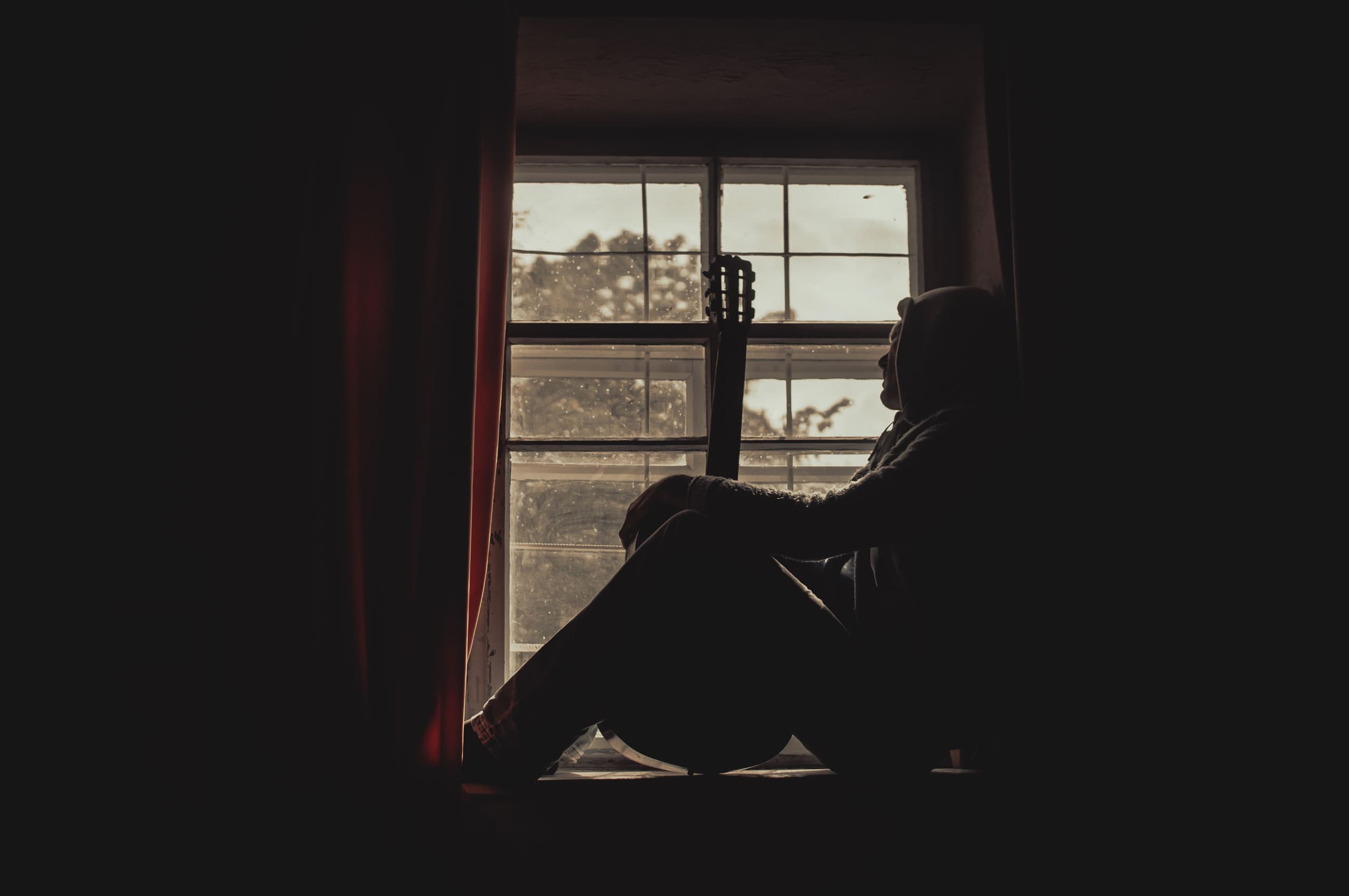
Itstartedwithavoicenote
Somebody sent a recording at two in the morning. Half a melody, a bad microphone, and a line that would not leave anyone alone. That file still exists. Most of what came after is an attempt to keep whatever was in it.
Our story
Dard Bhari Dastaan started as a folder of unfinished recordings and turned into something people now listen to on purpose. Here is roughly how that happened.
Somebody sent a recording at two in the morning. Half a melody, a bad microphone, and a line that would not leave anyone alone. That file still exists. Most of what came after is an attempt to keep whatever was in it.

Early on we tuned the vocals, tightened the timing, cleaned the room. Then we played the two versions back to back and the polished one felt like it belonged to nobody. We have left the takes mostly alone ever since.
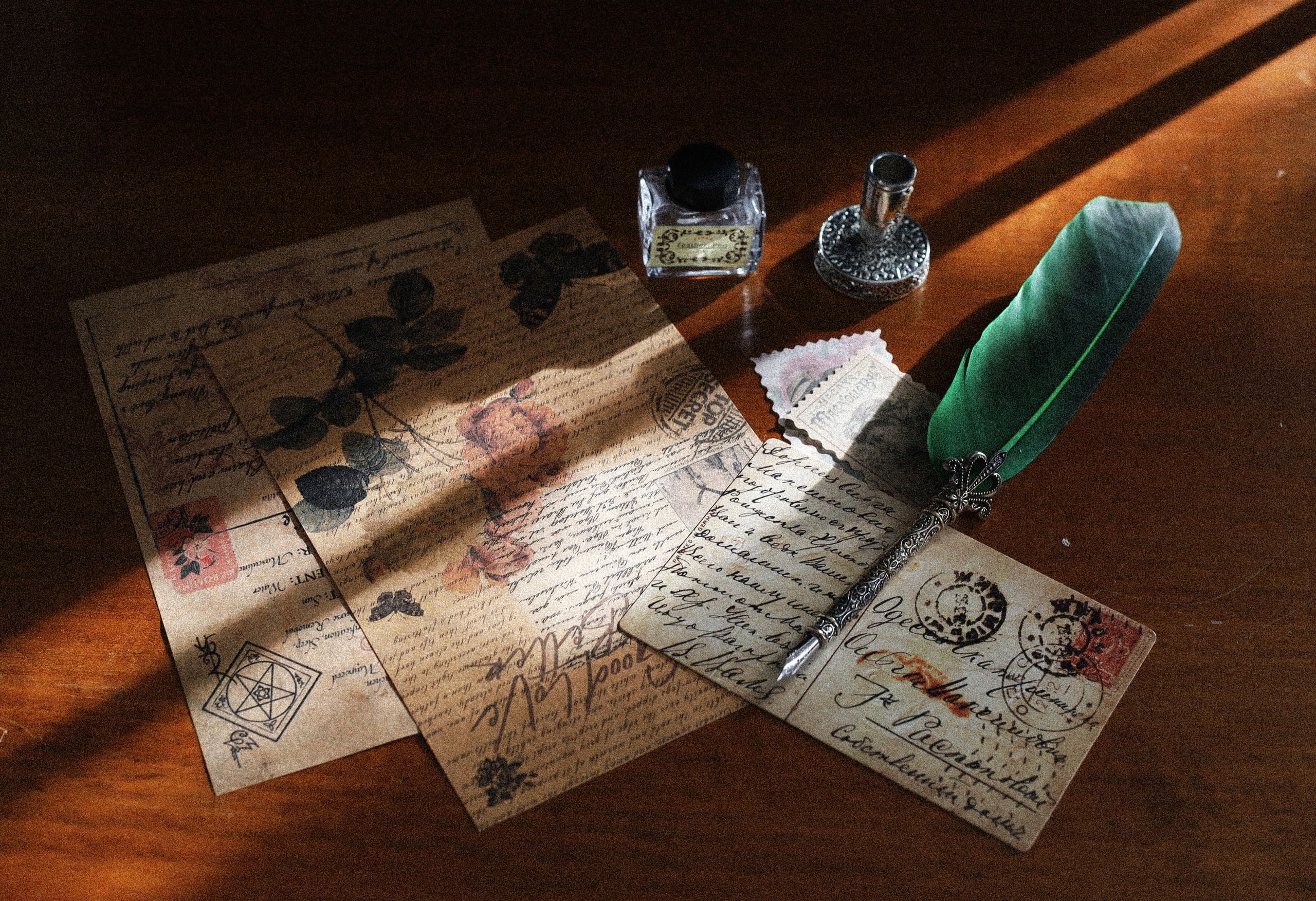
Nothing gets recorded until the words hold up read out loud, without music, in a quiet room. If they only work because of the melody, they are not finished yet.
People write in and say a song arrived at exactly the right week. That is the whole point of it. Once a song is out it stops being about the person who wrote it.
What we hold to
Nothing polished into something it was never meant to be.
Slow arrangements that leave room for the silence.
Every song begins as something someone could not say out loud.
Sung the way you would say it at two in the morning.
Sadness handled gently, until it starts to feel lighter.
Who is singing
Lahore
Sana grew up singing in a house where nobody was allowed to be loud after nine, which is roughly how she ended up with the voice she has. She writes late, records early, and throws away more than she keeps. The songs that survive are usually the ones she was embarrassed to play to anyone.
Hear the songsKarachi
Arslan spent years playing other people’s songs in rooms where nobody was listening, then stopped doing that. He works slowly, usually with one microphone and no plan, and he will keep a take with a mistake in it if the mistake is telling the truth. Most of his writing happens between two and four in the morning.
Hear the songs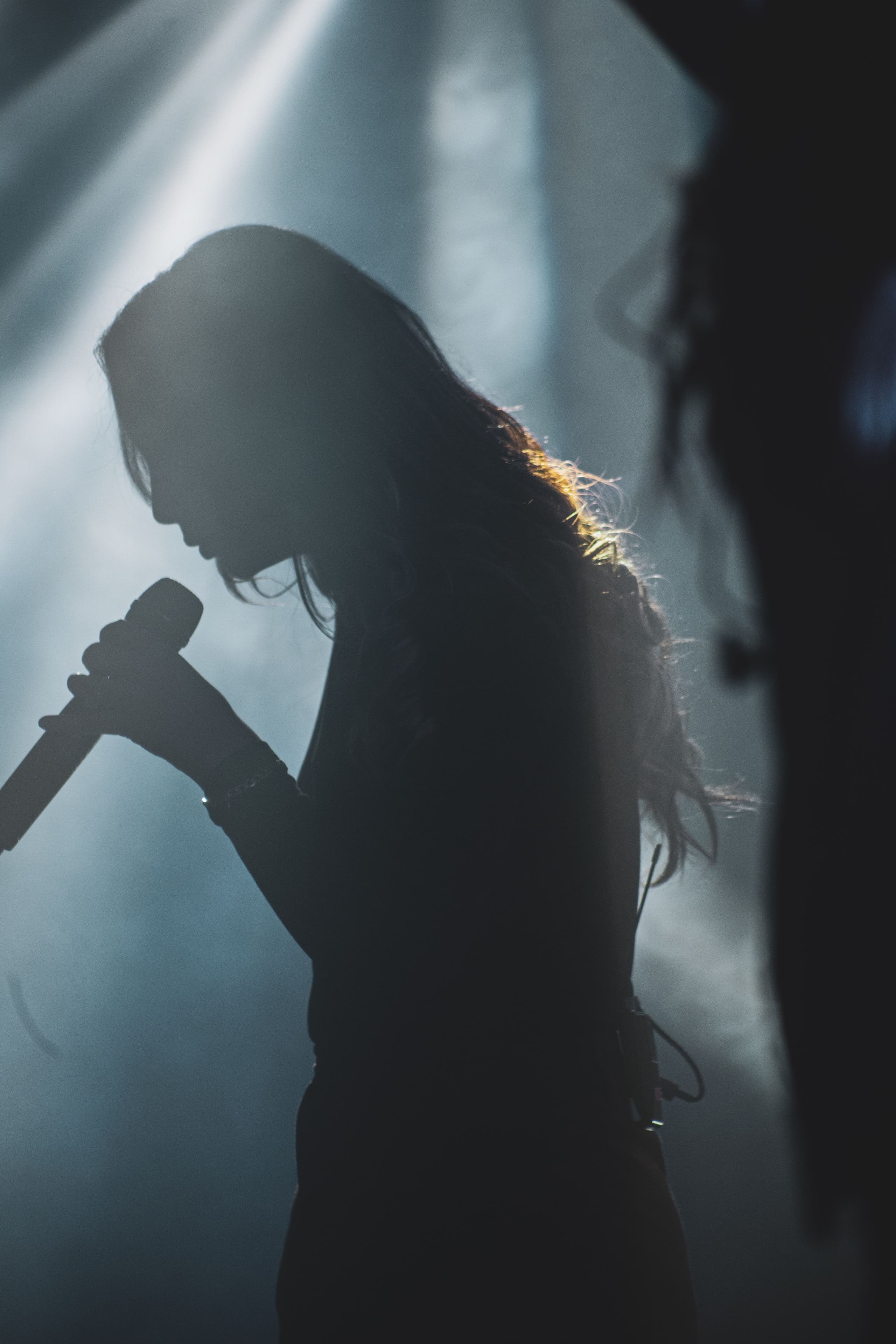
Islamabad
Faiza started out writing for other people and only began singing her own words when a song turned out to be too specific to hand over. She reads everything out loud before it goes anywhere near a melody, and if it does not hold up in a quiet room with no music behind it, it does not get recorded.
Hear the songs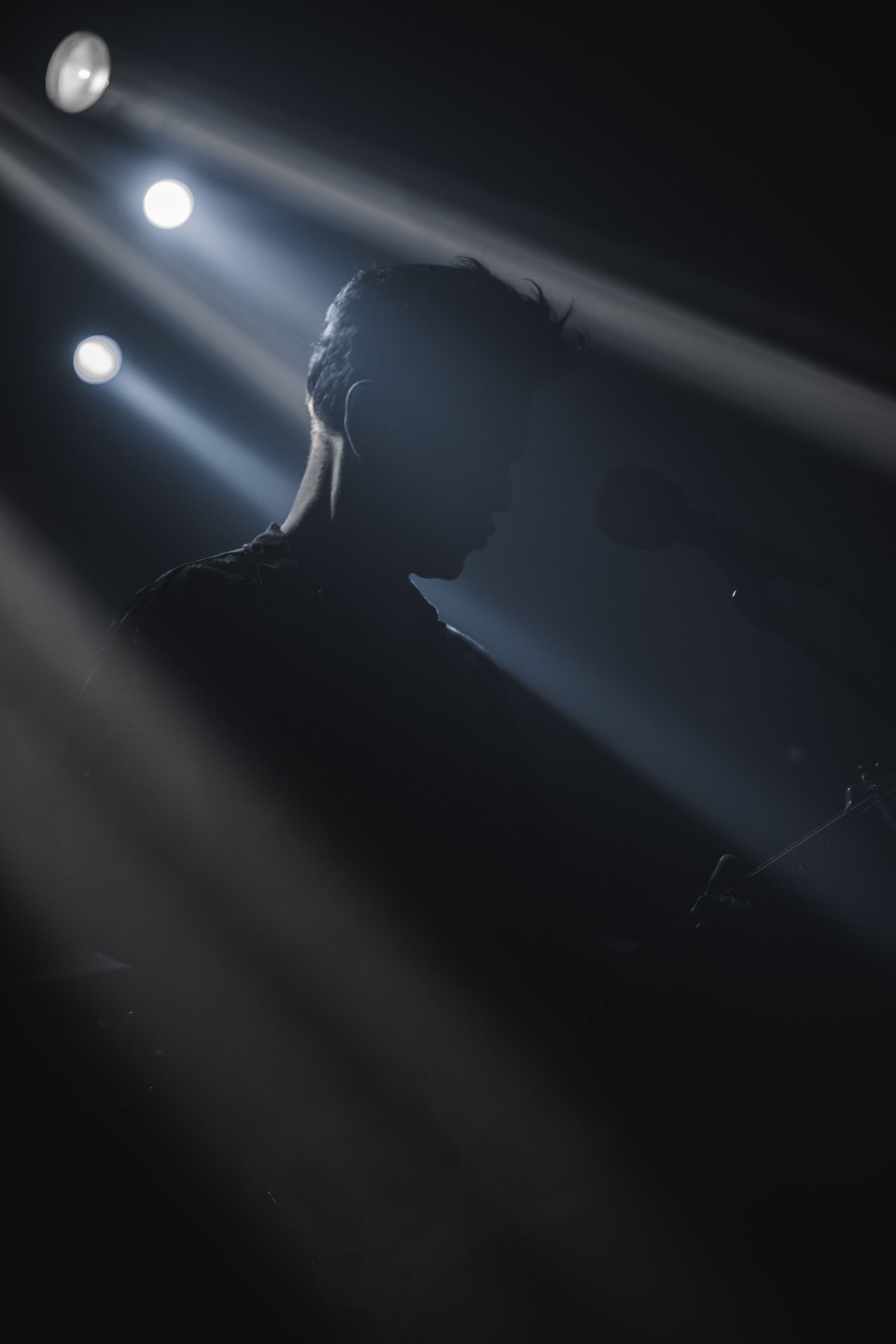
Multan
Ehsan learned to sing standing next to his uncles, in a form built for volume and crowds. What he does now is the opposite of that, and he says the training still shows in the breathing. He records mostly at home, mostly alone, and has a habit of leaving the last note hanging longer than anyone expects.
Hear the songsRawalpindi
Ali records where he happens to be, which means his songs have traffic in them, and rain, and once a neighbour’s television. He has been asked to clean that up and has declined every time. The writing comes out of things that actually happened to him, usually about a year after they stopped hurting enough to talk about.
Hear the songsBefore you ask
Anything else worth asking?
Write to usThe letter
No weekly round up and nothing to scroll past. When something is finished it goes out once, with the story behind it, and that is the whole arrangement.